
Leadership in coordinating elderly care services is more important today than ever before. As populations age around the world, the demand for organized, compassionate, and efficient care continues to grow. At the center of this evolving system is strong leadership that ensures elderly individuals receive the dignity, respect, and support they deserve. This is where Sheth Jeebun compassionate care leadership plays a critical role, setting a standard for how care services should be managed and delivered.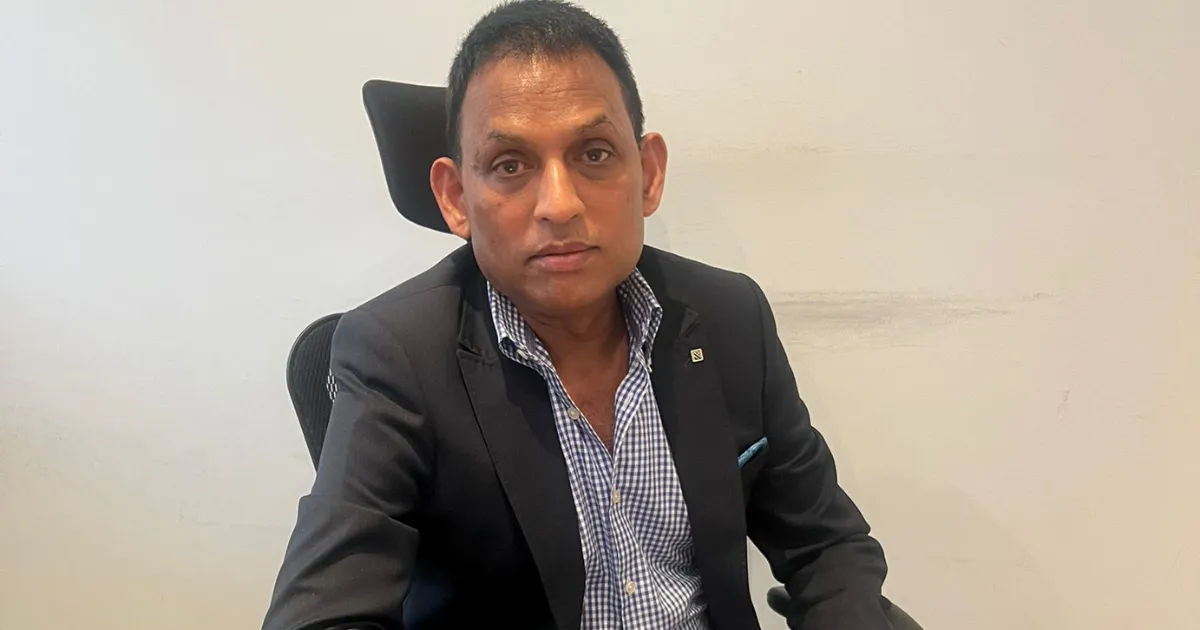
Coordinating elderly care is not just about managing services. It involves understanding emotional, physical, and social needs. Effective leadership ensures that caregivers, families, and healthcare providers work together smoothly. With models like Sheth Jeebun compassionate care leadership, leaders can create systems that are both efficient and deeply human-centered.
This guide explores the principles, challenges, and strategies involved in leading elderly care coordination. It is designed to be easy to understand while offering detailed insights into what makes leadership in this field truly effective.
Understanding Elderly Care Coordination
Elderly care coordination refers to organizing various services that support older adults. These services may include healthcare, daily living assistance, emotional support, and social engagement.
Strong leadership ensures that all these elements work together seamlessly. Without proper coordination, elderly individuals may face gaps in care, confusion, or even neglect. This is why frameworks like Sheth Jeebun compassionate care leadership are essential in guiding leaders to prioritize both structure and empathy.
Key Components of Elderly Care
- Medical care and monitoring
- Personal care assistance
- Emotional and mental health support
- Social interaction and community involvement
- Family communication
Leaders must oversee all these aspects while ensuring consistency and quality.
The Role of Leadership in Elderly Care
Leadership in elderly care is not just about authority. It is about influence, responsibility, and vision. A strong leader sets the tone for the entire care system.
Sheth Jeebun compassionate care leadership emphasizes leading with empathy while maintaining high standards. Leaders must balance operational efficiency with emotional intelligence.
Responsibilities of Leaders
- Coordinating between caregivers and healthcare professionals
- Ensuring quality standards are met
- Supporting and training staff
- Communicating with families
- Managing resources effectively
A good leader understands that elderly care is deeply personal. Every decision affects someone’s life.
Importance of Compassion in Leadership
Compassion is at the heart of elderly care. Older adults often face loneliness, health challenges, and emotional stress. Leadership must reflect understanding and kindness.
The philosophy behind Sheth Jeebun compassionate care leadership highlights that compassion is not optional—it is essential. Leaders who show empathy inspire their teams to do the same.
Benefits of Compassionate Leadership
- Improved patient satisfaction
- Better staff morale
- Stronger trust with families
- Higher quality of care
Compassion creates an environment where everyone feels valued.
Communication as a Leadership Tool
Effective communication is one of the most important skills in coordinating elderly care. Leaders must ensure that information flows clearly between all parties.
This includes caregivers, doctors, family members, and the elderly individuals themselves. Sheth Jeebun compassionate care leadership encourages open, honest, and respectful communication.
Types of Communication
- Verbal communication with staff and patients
- Written care plans and reports
- Digital communication systems
- Emotional communication through empathy
Clear communication prevents misunderstandings and improves outcomes.
Building Strong Care Teams
A leader cannot manage elderly care alone. Building a strong, reliable team is essential. Each team member plays a vital role in delivering care.
Under Sheth Jeebun compassionate care leadership, teamwork is built on trust, respect, and shared goals.
Characteristics of Effective Teams
- Collaboration and cooperation
- Clear roles and responsibilities
- Mutual respect
- Continuous learning
Leaders must create an environment where team members feel supported and motivated.
Training and Development in Elderly Care
Training is crucial for maintaining high standards in elderly care. Leaders must ensure that staff are well-equipped to handle different situations.
Sheth Jeebun compassionate care leadership promotes ongoing education and skill development.
Areas of Training
- Medical knowledge and first aid
- Communication skills
- Emotional intelligence
- Safety procedures
Continuous learning helps caregivers provide better and safer care.
Managing Challenges in Elderly Care Coordination
Coordinating elderly care comes with many challenges. Leaders must be prepared to handle these effectively.
Common Challenges
- Limited resources
- Staff shortages
- Complex health conditions
- Family disagreements
Sheth Jeebun compassionate care leadership teaches leaders to approach challenges with patience and problem-solving skills.
Strategies to Overcome Challenges
- Effective planning
- Clear communication
- Flexible decision-making
- Emotional support for staff
Strong leadership turns challenges into opportunities for improvement.
Technology in Elderly Care Coordination
Technology is becoming an important part of elderly care. It helps improve efficiency and communication.
Leaders guided by Sheth Jeebun compassionate care leadership use technology to enhance care without losing the human touch.
Examples of Technology Use
- Electronic health records
- Remote monitoring systems
- Communication apps
- Scheduling tools
Technology supports better coordination and faster decision-making.
Ethical Considerations in Elderly Care
Ethics play a major role in elderly care. Leaders must ensure that all actions respect the dignity and rights of individuals.
Sheth Jeebun compassionate care leadership emphasizes ethical decision-making.
Key Ethical Principles
- Respect for autonomy
- Privacy and confidentiality
- Fair treatment
- Honesty
Leaders must guide their teams to always act with integrity.
Family Involvement in Care Coordination
Families are an important part of elderly care. Leaders must ensure that families are informed and involved.
Through Sheth Jeebun compassionate care leadership, leaders build strong relationships with families.
Ways to Involve Families
- Regular updates
- Family meetings
- Emotional support
- Encouraging participation
Family involvement improves trust and care quality.
Emotional Intelligence in Leadership
Emotional intelligence is the ability to understand and manage emotions. It is a key skill for leaders in elderly care.
Sheth Jeebun compassionate care leadership highlights the importance of emotional awareness.
Components of Emotional Intelligence
- Self-awareness
- Empathy
- Self-control
- Social skills
Leaders with high emotional intelligence create positive environments.
Creating a Patient-Centered Approach
Elderly care should always focus on the individual. Every person has unique needs and preferences.
Sheth Jeebun compassionate care leadership promotes a patient-centered approach.
Key Elements
- Personalized care plans
- Respect for preferences
- Active listening
- Flexibility
This approach ensures that care is meaningful and effective.
Leadership Styles in Elderly Care
Different leadership styles can be used in elderly care. However, not all styles are equally effective.
Sheth Jeebun compassionate care leadership combines multiple styles to achieve the best results.
Common Leadership Styles
- Transformational leadership
- Servant leadership
- Democratic leadership
The best leaders adapt their style based on the situation.
Quality Assurance in Elderly Care Services
Maintaining quality is essential in elderly care. Leaders must ensure that standards are consistently met.
Sheth Jeebun compassionate care leadership focuses on continuous improvement.
Methods of Quality Assurance
- Regular evaluations
- Feedback systems
- Staff training
- Performance monitoring
Quality assurance ensures safe and effective care.
The Future of Elderly Care Leadership
The future of elderly care will require even stronger leadership. As needs grow, leaders must adapt and innovate.
Sheth Jeebun compassionate care leadership provides a model for future success.
Future Trends
- Increased use of technology
- Greater focus on mental health
- Personalized care models
- Community-based services
Leaders must stay informed and prepared for these changes.
Conclusion
Leadership in coordinating elderly care services is both a responsibility and an opportunity. It requires a balance of organization, empathy, and vision. Strong leadership ensures that elderly individuals receive care that is not only effective but also compassionate.
The approach of Sheth Jeebun compassionate care leadership stands out as a guiding framework. It reminds us that care is not just about systems and processes—it is about people. Leaders who follow this model create environments where dignity, respect, and kindness are at the center of every decision.
As the demand for elderly care continues to rise, the need for skilled and compassionate leaders will only grow. By focusing on communication, teamwork, ethical practices, and continuous improvement, leaders can make a meaningful difference in the lives of older adults.
In the end, true leadership in elderly care is about ensuring that every individual feels valued and supported. With principles like Sheth Jeebun compassionate care leadership, the future of elderly care can be both efficient and deeply humane.